

Our Approach
IN-PERSON THERAPY IN BROOKLYN + MANHATTAN | VIRTUAL IN NY STATE
We help clients deepen their relationship to self, experiment with brave new ways of living, and move confidently towards the things that matter most.
Our values
Values are at the heart of everything we do. They guide our work, inform our decisions, and remind us who we are.
New name, same core values: Real Therapy is now New Material.
-
We approach our work with a sense of curiosity, wonder, and interest, always seeking to learn more about our clients’ unique experiences and the multitude of possibilities available to them. We savor in the imaginative process before committing to action. We model a willingness to take risks, try new things, and develop insight along the way. We value the lessons that can only be learned through lived experience.
-
We’re intentional about how we show up, curate spaces, and make decisions about the practice. We carefully select words, techniques, colors, and materials that cultivate an emotionally supportive, aesthetically pleasing, and affirming space where everyone feels safe enough to explore. To the question, “why this?”, we’ll always have an answer.
-
We trust the process even when things are uncertain and difficult because we believe in our collective resilience. We accept bad things happen, so we prioritize creating meaningful lives over purely happy ones (because we don’t think those exist). We trust our values to guide us through the present moment with the information we have. We trust all parts of ourselves and parts of others hold some adaptive function, even if we can’t see it yet.
-
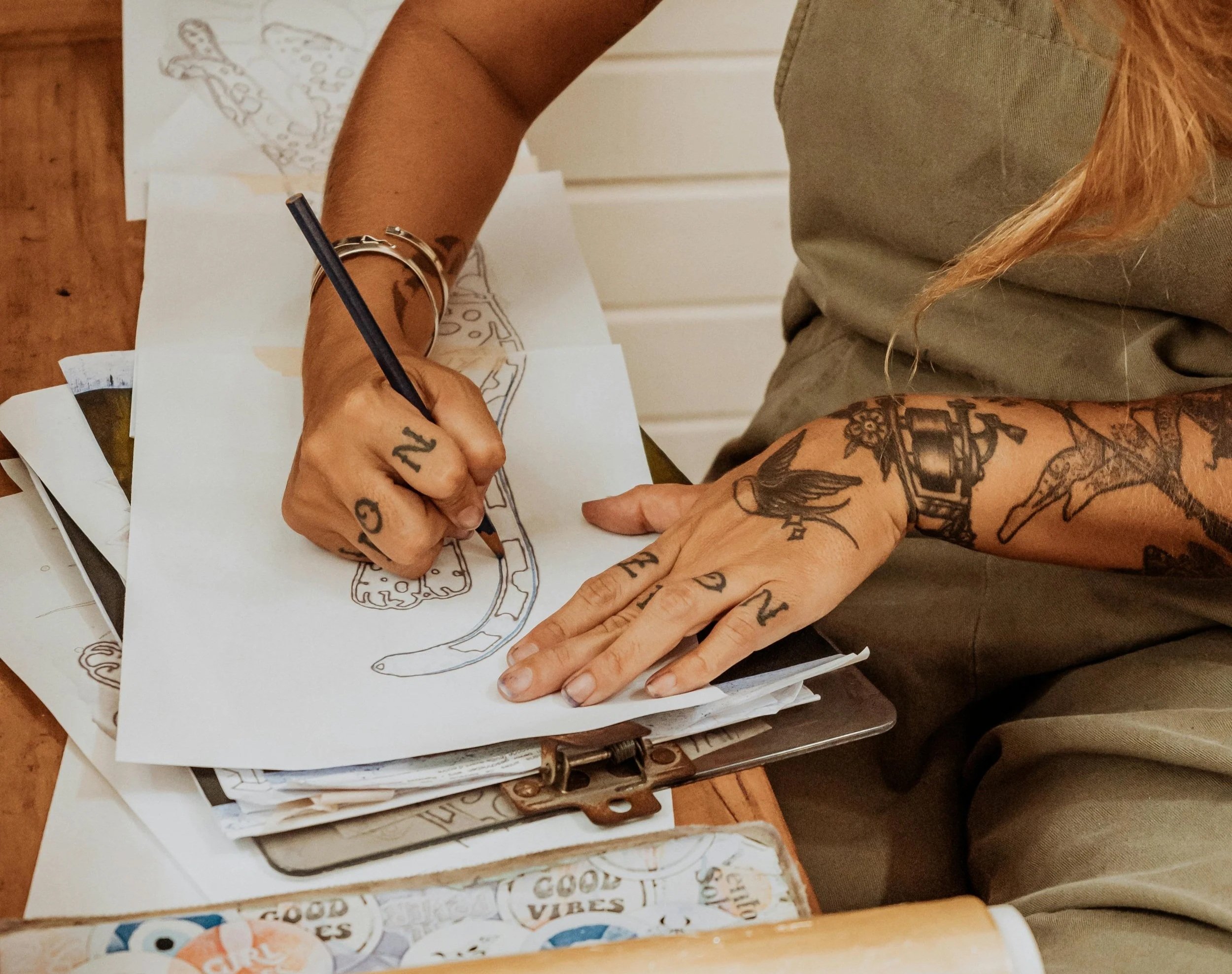
We embrace creativity as a vital tool for self-exploration and personal growth. We integrate art, music, writing, and somatic practices into our therapeutic approach to encourage clients to find new ways of approaching challenges and building connections.
-
We believe therapy can be both effective and enjoyable. We strive to create an approachable atmosphere that allows clients to enjoy the process of self-discovery and growth. We believe fun, laughter, and ease can be powerful tools for healing, and we’re okay with taking the heavy work in doses.
We believe art, music, writing, somatic experience, and community are essential components of mental health, and we consistently seek ways to integrate these elements into our approach.
What we’re about:
doing hard but important things
learning through experience
being guided by our values and bodies
flexibility of mind, self, possibility
what’s working/not working vs. what’s good/bad
exchanging podcast + book recs
hearing about the film you just saw that moved you
taking the heavy work in doses
healing in relationship with one another
We’re an anti-oppressive practice.
We’re committed to continually developing an anti-oppressive social work practice. We’re constantly attending to the ways our privilege shows up in the therapeutic work with clients, with each other, and in daily living.
We acknowledge that we do not have the same lived experience as many of our clients, nor among each other as a team. This is important to address openly in our work together to acknowledge potential gaps in understanding and conceptualization of your experience, and allow you to make an informed decision about whether your therapist can serve you appropriately in particular areas or as a whole.
The therapist-client relationship is inherently rooted in a power differential where the therapist is given agency (and sometimes legally required) to make choices about your life with or without your input. We do not hold this power lightly. We will continually center you, the client, as the expert in your own life and honor the decisions you make about what’s best for you. We will create space to address the therapist-client power differential in real time (with you or with an external accountability partner, depending on your needs) and take responsibility for any reparative work that needs to be done when harm is caused to you and/or your communities.
The institution of mental health - and more specifically the social work profession - is embedded in white supremacy. It is a system with a complicated history that often perpetuates the marginalization of certain communities. The commonly used framework of clinical assessment (the DSM and beyond) pathologizes certain identities and adaptive responses to racial trauma, gender injustice, and other forms of systemic oppression - in addition to culturally-specific spiritual and/or healing practices. We will have many conversations about what you want to change in your life and what language we want to use to talk about it.